
The Timeline by Type
Swipe the table sideways to see the full timeline for each type.
| Type | Typical time | When it applies |
|---|---|---|
| Disposition without administration | Days to a few weeks | Tiny estates, no real property |
| Summary administration | A few weeks to ~2 to 3 months | Estate $150,000 or less (raised from $75,000 on July 1, 2026), or death over 2 years ago |
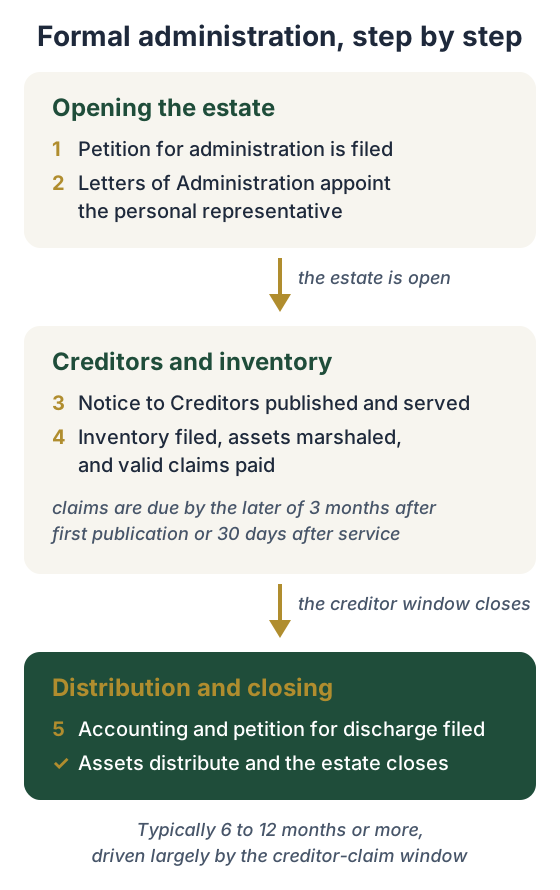
| Formal administration | Usually 6 to 12 months | Most larger or recent estates |
Why Formal Probate Takes Months
The main reason is the creditor period. After the personal representative publishes a notice to creditors, creditors have three months to file claims, and the estate generally cannot close and distribute until that window runs and any claims are resolved. Add the time to gather and value assets, file any tax returns, sell real estate, and handle disputes, and several months is normal even for a smooth estate. Nothing closes before the creditor clock finishes.
What Slows It Down
Will contests and family disputes, a business or other hard-to-value asset, out-of-state real estate (which needs its own ancillary probate), tax returns, missing heirs, and a personal representative who is slow to act. Most are avoidable with a clean estate and good planning; an experienced attorney keeps the rest moving rather than letting it drift.
Want it handled and moving, not stalled?
Book a free 30-minute consult. We will confirm which type of probate applies and keep it on the fastest path, remotely.
Book your free consultThe Fastest Probate Is the One You Avoid
Much of an estate can skip probate entirely: a lady bird deed on the home, a funded revocable trust, and beneficiary or pay-on-death designations all pass outside it. For what must be probated, see what to do when a parent dies and estimate the cost. We handle Florida probate remotely, including for out-of-state families.
Frequently Asked Questions
How Long Does Probate Take in Florida?
It depends on the type. Summary administration, for smaller estates or deaths more than two years ago, often finishes in a few weeks to about two or three months. Formal administration, for larger or more recent estates, usually runs 6 to 12 months, and longer if there are complications. The single biggest reason formal probate cannot finish quickly is a mandatory creditor period that has to run before the estate can close.
Why Does Formal Probate Take Months?
Mainly because of the creditor period. Once the personal representative publishes a notice to creditors, creditors have three months to file claims, and the estate generally cannot be closed and distributed until that window runs and any claims are resolved. On top of that, gathering and valuing assets, filing any required tax returns, selling real estate, and resolving disputes all add time. None of it can be rushed past the creditor window.
What Is the Fastest Type of Probate?
Disposition without administration is the fastest, but it is only for very small estates with no real property, used mainly to reimburse final expenses. Next is summary administration, available when the probate estate is $150,000 or less (raised from $75,000 on July 1, 2026) or the person died more than two years ago; it skips appointing a personal representative and can wrap up in weeks. Formal administration is the slowest because of the creditor period and the appointment process.
What Slows a Florida Probate Down?
Will contests and family disputes, hard-to-value assets like a business or unusual property, out-of-state real estate that needs its own ancillary probate, estate or income tax returns, missing or hard-to-locate heirs, and a personal representative who is slow to act. Many of these are avoidable with a clean estate and good planning, and an experienced attorney keeps the rest moving.
Can I Speed It Up or Avoid Probate Entirely?
Yes. Whether summary administration is available can shorten things dramatically, and a well-run formal administration avoids needless delay. Better still, much of an estate can avoid probate altogether: a lady bird deed on the home, a funded revocable trust, and beneficiary or pay-on-death designations all pass outside probate. The least time-consuming probate is the one your family never has to open.
Does Living Out of State Make It Take Longer?
Not with the right firm. Florida courts accept electronic filing and remote signing, so an out-of-state family can handle a Florida probate without travel, and it does not add time. We run the whole process remotely and keep it moving, which often makes it faster than a family trying to manage it themselves from afar.
Sources of Law
- Fla. Stat. §733.2121 and §733.702: notice to creditors and the three-month claim period. Ch. 735: summary administration and disposition without administration. flsenate.gov (retrieved 2026-06-08)
Updated on July 11, 2026. Reviewed by Kevin D. Klagge, Esq., Fla. Bar No. 99502. Attorney Kevin Klagge represents families, businesses, and international clients in estate planning and international law, with a focus on Florida legal tools. He litigates estate and business issues in court. General information about Florida law, not legal advice, and no attorney-client relationship is created. Timelines depend on the specific facts. Do not send confidential information until we have agreed to represent you.