
What Medicare Does Cover
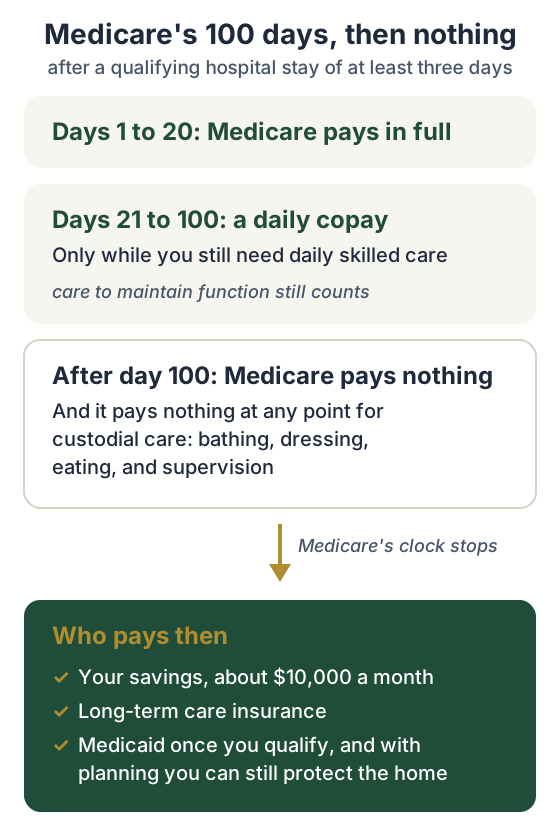
After a qualifying hospital stay of at least three days, Medicare covers up to 100 days in a skilled nursing facility: days 1 to 20 in full, days 21 to 100 with a daily copay, and only while you still need daily skilled care (care to maintain function counts; “you stopped improving” is not a lawful reason to cut coverage). It is built for short-term recovery, rehab after a fall or a surgery, not for living there.
What It Doesn’t (the Gap That Catches Families)
Medicare pays nothing for long-term custodial care, the daily help with bathing, dressing, eating, and supervision that most nursing-home and memory-care residents actually need. The moment that is all your parent requires, Medicare’s clock stops. Assisted living is the same story: Medicare does not cover the room and board.
Worried about the cost? You can plan for it.
A free 30-minute consult shows how to qualify for Medicaid and protect the home.
Book your free consultWho Pays Then
Three sources: your savings (a Florida nursing home runs about $10,300 a month), long-term care insurance, or Medicaid once you qualify. For most families, Medicaid is how long stays get paid. Florida Medicaid covers nursing-home care for those who meet the limits, and with planning you can qualify and still protect the home. The earlier you plan, the more options you have, but even in a crisis there are legitimate moves. Comparing settings? See assisted living and home health care.
Frequently Asked Questions
Does Medicare Cover Nursing Home Care?
Only short-term, skilled care, not the long-term care most people mean. After a qualifying hospital stay of at least three days, Medicare covers up to 100 days in a skilled nursing facility: days 1 to 20 in full, days 21 to 100 with a daily copay ($217 a day in 2026), and only while you still need daily skilled care. Once you need only custodial help (bathing, dressing, supervision), Medicare stops. (A facility cannot lawfully cut you off just because you have “plateaued”; skilled care to maintain function still counts.) It pays nothing for long-term custodial care.
What Is "Custodial Care" and Why Doesn’t Medicare Pay for It?
Custodial care is the day-to-day help most nursing home residents actually need: bathing, dressing, eating, moving around, and supervision for dementia. Medicare is health insurance for treatment and recovery, not long-term living assistance, so it expressly excludes custodial care when that is all you need. That is the gap that blindsides families: the care your parent needs most is the care Medicare covers least.
Does Medicare or Medicaid Cover Assisted Living?
Medicare does not cover assisted-living room and board at all. Medicaid can help: Florida’s Medicaid long-term care program can cover services in an assisted-living facility for those who qualify financially and medically, though it does not pay the room-and-board portion the same way it covers a nursing home. Coverage and waitlists vary, so plan early.
So Who Actually Pays for Long-Term Care?
Three sources: your own savings (a Florida nursing home runs about $10,300 a month, assisted living less), long-term care insurance if you bought it, or Medicaid once you qualify. For most families, Medicaid is how long nursing-home stays ultimately get paid, which is why Medicaid planning, done right and ideally early, matters so much.
How Does Medicaid Help, and Can I Keep the House?
Florida Medicaid covers long-term nursing-home care for those who meet the income and asset limits. The home is generally exempt while your spouse or you intend to return, but it can be exposed to estate recovery after death unless you plan for it (a lady bird deed is the common fix). With advance planning, and even in a crisis, there are legitimate ways to qualify and protect assets. That is what an elder-law attorney does.
Updated on July 11, 2026. Reviewed by Kevin D. Klagge, Esq., Fla. Bar No. 99502. Attorney Kevin Klagge represents families, businesses, and international clients in estate planning and international law, with a focus on Florida legal tools. He litigates estate and business issues in court. General information about Medicare, Medicaid, and Florida law, not legal advice. Medicare coverage figures change annually; confirm current amounts. Do not send confidential information until we have agreed to represent you.