
The Short Version
When the person who created a revocable trust dies, the trust becomes irrevocable and the successor trustee has to settle it, essentially doing what a personal representative does in probate, but privately, without a full court case. You gather and value the assets, notify the beneficiaries, handle creditors and taxes, keep an accounting, and distribute what is left. The funded trust spared the family probate, but the settlement work is real, and it comes with real duties.
What the Successor Trustee Must Do
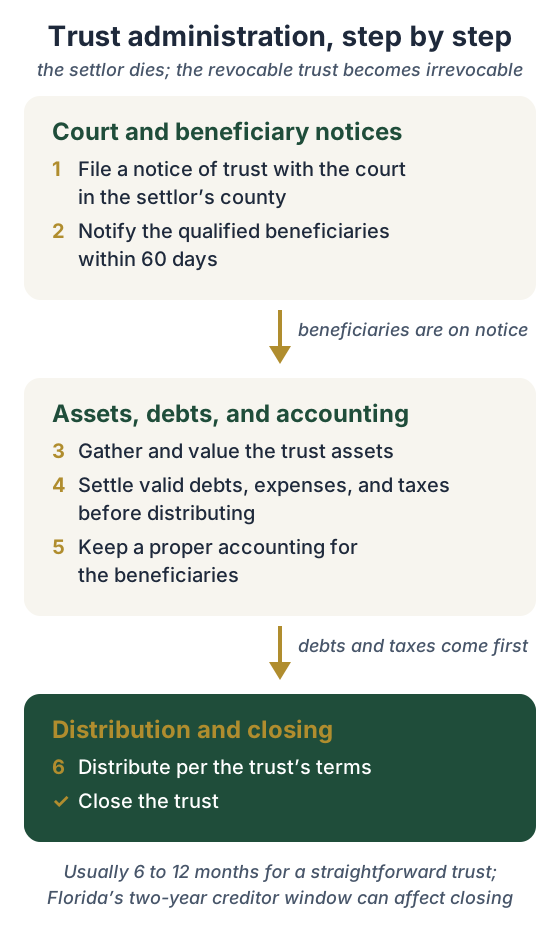
- File a "notice of trust" with the court in the settlor’s county.
- Notify the qualified beneficiaries within 60 days that the trust exists and who the trustee is.
- Gather and value the trust assets.
- Settle valid debts, expenses, and taxes before distributing.
- Keep a proper accounting for the beneficiaries.
- Distribute per the trust’s terms, then close the trust.
Skip a step, or distribute before debts and taxes are handled, and the trustee can be personally liable. That is why most trustees serve with an attorney.
Named as successor trustee, and not sure where to start?
Book a free 30-minute consult. We will guide every step in order, remotely, and keep you off the liability traps.
Book your free consultTrust Administration vs. Probate
A funded trust avoids the probate court case, but not the work of settling the estate. Trust administration is that work, run by the trustee instead of supervised by a judge: less expensive, more private, usually faster. The trade-off is that the trustee carries the responsibility (and the liability) that a court would otherwise oversee. If the trust was not fully funded, some assets may still need probate alongside the administration.
How Long It Takes
Usually 6 to 12 months for a straightforward trust, longer for a complex one, driven by valuing assets, resolving creditor claims, filing tax returns, and distributing carefully. Florida’s two-year creditor window can affect when a trustee is comfortable closing. We keep it moving and tell you what is realistic.
Frequently Asked Questions
What Is Trust Administration in Florida?
Trust administration is the process of settling a trust after the person who created it (the settlor) dies. The revocable trust becomes irrevocable, and the successor trustee steps in to do essentially what a personal representative does in probate: gather and value the assets, notify beneficiaries, deal with creditors and taxes, keep an accounting, and distribute what is left to the beneficiaries. The big difference is that a properly funded trust does all of this without a full probate court case, which is faster and more private, but it is still a real legal job with real duties.
What Does a Successor Trustee Have to Do?
A lot, and on a fiduciary duty to do it right. In Florida the successor trustee must, among other things, file a "notice of trust" with the court in the settlor’s county, notify the qualified beneficiaries within 60 days (including the trustee’s name and that the trust now exists), gather and value the trust assets, settle valid debts, expenses, and taxes, keep a proper accounting, and then distribute the assets per the trust’s terms. Getting the order or the accounting wrong can expose the trustee to personal liability, which is why most serve with an attorney.
Does a Trust Avoid Probate, or Is Trust Administration the Same Thing?
A funded trust avoids the probate court case, that is the benefit, but it does not avoid the work of settling the estate. Trust administration is that work, handled privately by the trustee instead of publicly by the court. So you trade a court-supervised probate for a trustee-run administration: less expensive, more private, and usually faster, but still requiring proper notice, creditor handling, accounting, and distribution. If the trust was not fully funded, some assets may still need probate alongside the trust administration.
How Long Does Trust Administration Take?
Often 6 to 12 months for a straightforward trust, and 18 to 24 months or longer for a complex one. The timeline is driven by the same things that slow probate: valuing and selling assets, resolving any creditor claims, filing tax returns, and distributing carefully. Creditors generally have up to two years from the death to bring claims, which can affect how soon a trustee is comfortable closing the trust. We keep it moving and tell you what is realistic for your situation.
I’m a Successor Trustee. What Should I Do First?
Do not rush to distribute. First, secure the assets and gather the key documents (the trust, the death certificate, account statements). Then the legal steps begin: the notice of trust, the 60-day beneficiary notice, and an inventory of what the trust holds. Distributing to beneficiaries before debts, taxes, and the proper notices are handled is the classic mistake that creates personal liability for a trustee. Bring it to us early and we will guide each step in order.
Can You Help Me Administer a Trust?
Yes, this is a core part of what we do, and we handle it remotely for trustees who live out of state. We prepare the notice of trust and beneficiary notices, guide the creditor and tax steps, help with the accounting, and handle the distributions and closing, so you can serve as trustee without missing a deadline or stepping into liability. The 30-minute consult is free, and we quote the work up front.
Common Situations
The out-of-state trustee. A daughter in another state is named successor trustee of her late mother’s Florida trust. We handle the notice of trust, beneficiary notices, and distributions remotely, so she settles it without flying back and forth.
The early distribution. A trustee starts paying out to beneficiaries before taxes and a creditor claim are resolved. We step in, sort the order of payment, and protect him from personal liability.
The half-funded trust. A son settling his late father’s trust discovers one brokerage account still titled in his father’s own name, never moved into the trust. The trust cannot reach it, so a small probate case runs alongside the trust administration to collect that account and pour it into the trust under the father’s backup will. We handle both tracks together, so the family deals with one coordinated settlement instead of two separate fights. It is the most common surprise successor trustees bring us.
Sources of Law
- Fla. Stat. ch. 736 (Florida Trust Code): §736.05055 (notice of trust), §736.0813 (duty to inform and account; 60-day beneficiary notice), §736.08135 (trust accounting content). Creditor claims and the 2-year period interact with §733.710. flsenate.gov (retrieved 2026-06-08)
Updated on July 12, 2026. Reviewed by Kevin D. Klagge, Esq., Fla. Bar No. 99502. Attorney Kevin Klagge represents families, businesses, and international clients in estate planning and international law, with a focus on Florida legal tools. He litigates estate and business issues in court. General information about Florida law, not legal advice, and no attorney-client relationship is created. A trustee’s duties depend on the trust and the estate. Do not send confidential information until we have agreed to represent you.